Introduction
Are you tired of skyrocketing energy costs and an a/c system that continuously struggles to keep your home comfy? If so, it may be time to consider updating to a more energy-efficient a/c system. Choosing the ideal a/c system for power performance is critical in order to optimize convenience while decreasing power usage. In this comprehensive guide, we will certainly discover the different factors to consider when picking a heating and cooling system, as well as supply experienced recommendations on HVAC solutions, air conditioning repair service, heating fixing, a/c installment, heater fixing, AC maintenance, heating & cooling, emergency situation cooling and heating service, cooling and heating maintenance, and air duct cleaning.
The Importance of Energy Performance in HVAC Systems
Investing in an energy-efficient a/c system offers various advantages. To start with, it helps in reducing your carbon impact by reducing greenhouse gas emissions. Second of all, it can significantly lower your month-to-month power expenses by lowering power intake. Lastly, an energy-efficient system boosts interior comfort by properly managing temperature and moisture degrees. With these benefits in mind, allow's look into the procedure of choosing the best HVAC system for power efficiency.

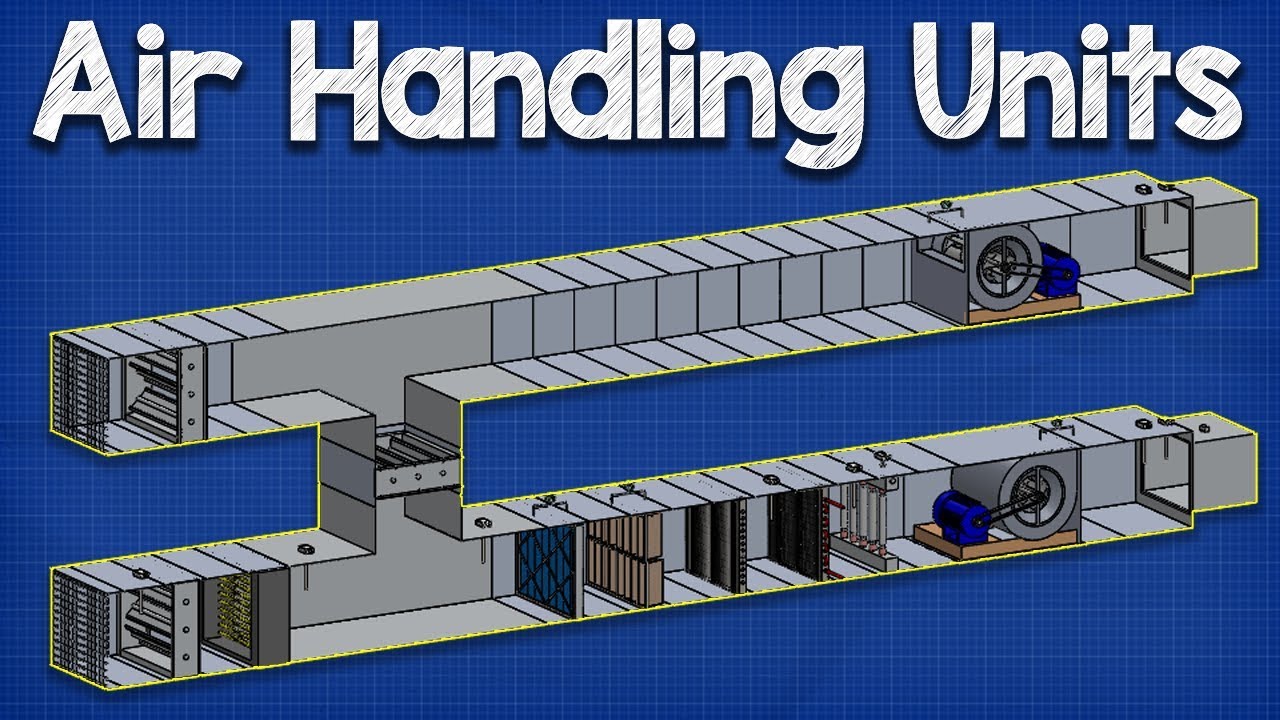

Factors to Consider When Selecting an Energy-Efficient HVAC System
1. Dimension Matters: Correct Sizing for Ideal Efficiency
Choosing the appropriate dimension of a HVAC system is vital for optimum efficiency and effectiveness. A small device will struggle to adequately cool or warm your home, causing https://www.google.com/maps/d/viewer?mid=1x-9qsxiJr-2K9GnA-JdwlKh3kVEdEDA&ll=45.41443530000003%2C-122.6295632&z=21 enhanced energy intake and pain. On the other hand, an oversized unit may short cycle and fall short to eliminate humidity successfully. To figure out the ideal size for your home, speak with a qualified heating and cooling professional.
2. Power Performance Scores: Comprehending SEER and EER
When examining possibility HVAC systems, pay close attention to their Seasonal Energy Effectiveness Ratio (SEER) and Energy Efficiency Proportion (EER) ratings. These rankings indicate how successfully the system converts electrical input into air conditioning or heating output. Higher SEER and EER worths represent greater power efficiency.
3. Power Star Qualification: Recognizing Superior Efficiency
Look for HVAC systems with Energy Star certification. This classification guarantees that the system satisfies or goes beyond rigid energy effectiveness guidelines set by the Epa (EPA). Power Star-certified systems are made to eat less energy without endangering performance or comfort.
4. HVAC Services: Pick a Reputable Provider
Selecting the ideal heating and cooling companies is essential to make sure correct installation, upkeep, and fixing of your energy-efficient system. Try to find companies with a proven track record, favorable client reviews, and certifications from trusted industry organizations.
5. A/c Repair Service: Maintaining Your System at Peak Performance
Regular air conditioning repair work is vital to keep the power effectiveness of your heating and cooling system. A malfunctioning air conditioning system can bring about increased power intake and minimized cooling capacity. Set up routine maintenance and immediately resolve any kind of concerns that occur to optimize efficiency.
6. Heating Repair Service: Making Certain Efficient Heat Distribution
Efficient warmth distribution is essential for an energy-efficient HVAC system. Proper home heating fixing assurances that heat air is uniformly distributed throughout your home, decreasing power waste. Normal maintenance and prompt repair services are essential to accomplishing optimal heat distribution.
FAQs about Picking the Right Heating And Cooling System for Power Efficiency
Q: What are some advantages of choosing an energy-efficient cooling and heating system?- A: Purchasing an energy-efficient heating and cooling system reduces energy intake, decreases monthly costs, improves interior comfort, and decreases ecological impact.
- A: Seek advice from a qualified cooling and heating professional that will perform an extensive analysis of your home's size, insulation, and other variables to figure out the appropriate system size.
- A: SEER (Seasonal Power Performance Proportion) and EER (Power Performance Ratio) scores suggest the effectiveness of heating and cooling systems. Higher worths relate to greater energy efficiency.
- A: Energy Celebrity accreditation ensures that a heating and cooling system meets rigorous power effectiveness guidelines established by the EPA.
- A: Normal air conditioning repair is essential to preserve ideal power effectiveness, as a malfunctioning air conditioner device can cause raised power usage and lowered cooling down capacity.
- A: Heating repair guarantees reliable heat distribution throughout your home, decreasing power waste and boosting total system performance.
Conclusion
Choosing the best HVAC system for energy performance is critical for making best use of comfort while reducing energy intake. By taking into consideration elements such as appropriate sizing, energy efficiency scores, Energy Celebrity qualification, and selecting trustworthy heating and cooling services, you can make an educated choice that will benefit both your pocketbook and the environment. Do not neglect to on a regular basis schedule upkeep, quickly address repair work, and focus on cooling fixing and heating repair to maintain your system operating at peak performance. With an energy-efficient heating and cooling system in position, you can appreciate a comfortable home while decreasing your carbon footprint.